In these workshops participants will learn more about the creatures that inhabited our planet in the past, highlighting the mega beasts that lived in the Tatacoa Desert more than 13 million years ago. All this while having fun and enjoying a good time with their family or classmates.
The museum has the following activities:
La Tatacoa Paleontological Challenge "In the footsteps of the megabeasts"
This activity is aimed at children, adults and families. The objective is for participants to learn very interesting things about the animals that occupied this environment millions of years ago and to understand the importance of the work of paleontologists from the moment a fossil is found until it is taken to a laboratory for preparation and study.
Participants will engage in a series of competitions that will aim at developing skills and abilities to work in teams, replicate knowledge, learn to observe, and learn about the processes that gave rise to the landscape and fossils of the Tatacoa Desert.
Schedule:
7:00 am - 8:30 am: mobilization to the challenge area and give instructions on the activities to be developed in the competition.
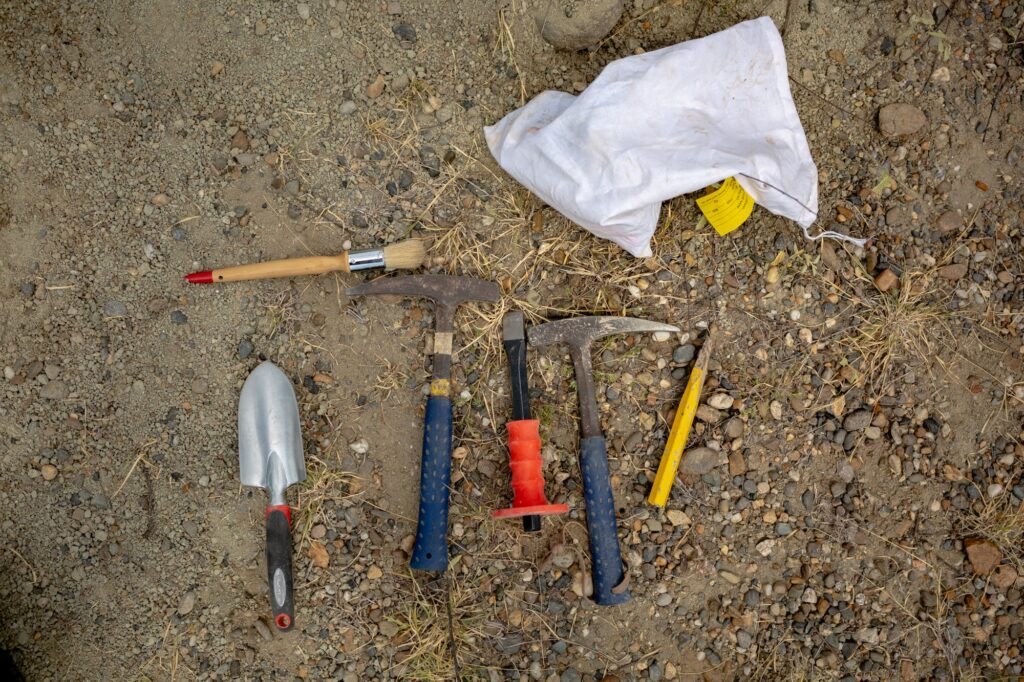
8.30 am - 9:00 am: Drawing of groups and delivery of tools and field materials.
9:00 am - 12:30 m: competition begins in each of the locations assigned to each group.
12:30 m - 2:00 pm: end of the field competition and return for lunch.
2:00 pm - 4:30 pm: start of lab competitions and closing of the challenge.
4:30 pm - 6:00 pm: pool and rest area.
The Paleontological Challenge La Tatacoa "in the footsteps of the megabeasts" has 5 stages that will be developed throughout the activity. Each one has the objective of educating the participants so that they can carry out the different tests in teams, using the tools and materials that will be provided so that they can live the experience of a paleontologist.
Stage 1
Initially, all the groups will be introduced to the basic concepts of geology, paleontology, field equipment, prospecting, excavation process, sieve handling, how to make a camp, precautions in the field and scoring of the different activities to be developed.
Stage 2
At this point we will organize the groops who can a draw the color and the prehistoric animal that will represent them. Each group will have a guide that will keep an eye on them. Then, a specific location will be assigned to each group and they will be given tools and materials needed.
Stage 3
After assigning the names, materials and tools, we go to the different localities to start the competition. These sites are already arranged with the fossil pieces and are properly marked so that each group can comply with the activities that a paleontologist develops in the field. Each group must assign a leader who will be responsible for guiding the functions of each member.
Stage 4
After the field competition, we move on to laboratory activities and paleontological research, where we will develop identification tasks of the fossil pieces collected and will prepare a piece found in the field. We will make a mold, a replica and a paleoreconstruction with plasticine of an animal that they identify from the collected fossils.
Stage 5
At the end of the competition we will evaluate the performance of each group and analyze their score in each of the paleontological activities to assign their skill level as paleontologists. There are 3 categories: Paleo Diamond, for the groups that satisfactorily fulfilled all the roles as paleontologists during the challenge; (Paleo Gold) for the groups that fulfilled more than half of the activities during the challenge; and Paleo Silver for the groups that fulfilled half or less of the activities during the challenge. All groups will receive an honorable mention in each of the above categories, and mementos will also be given to each of the participants.
Specialized field trips (Tatacoa desert)
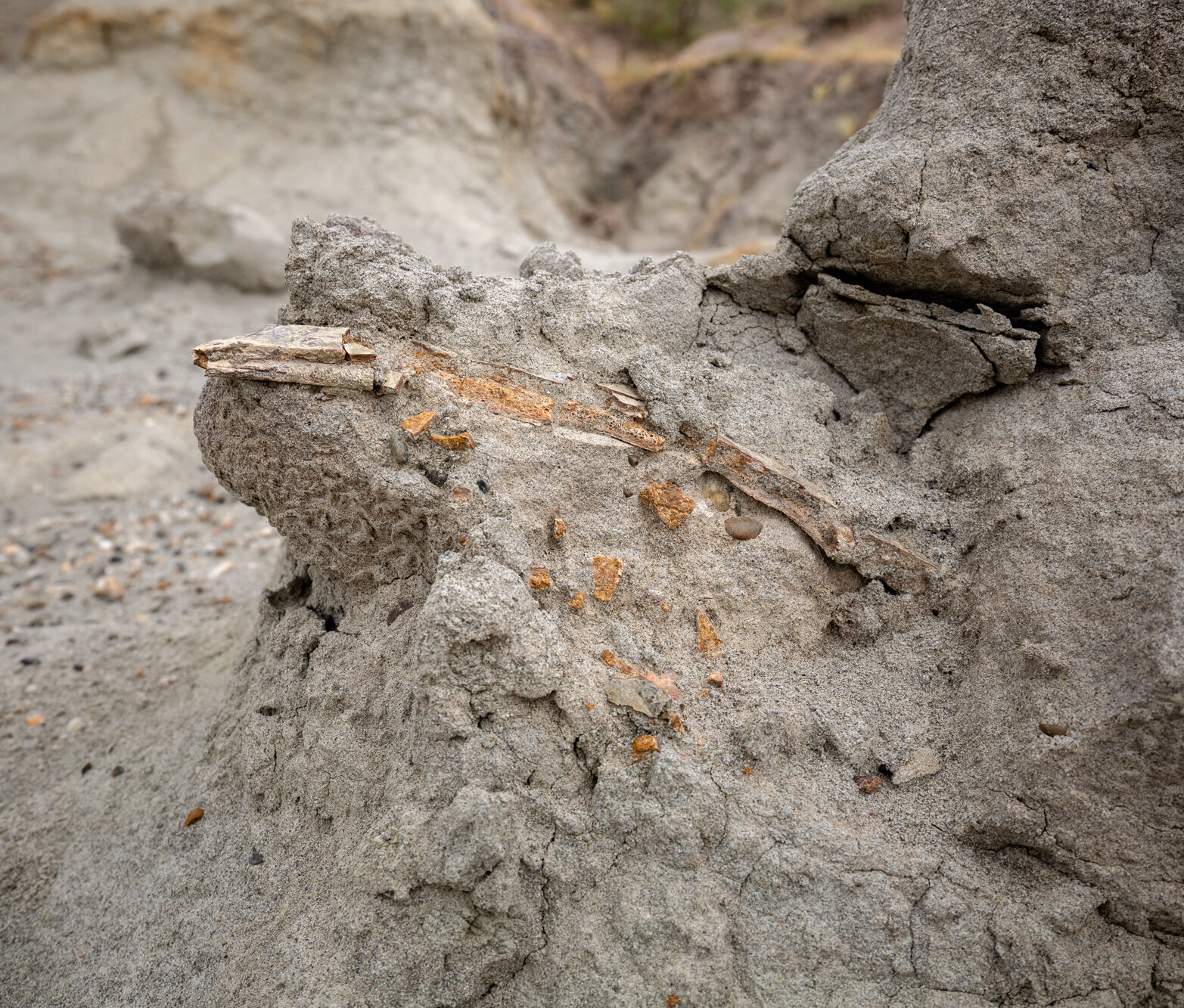
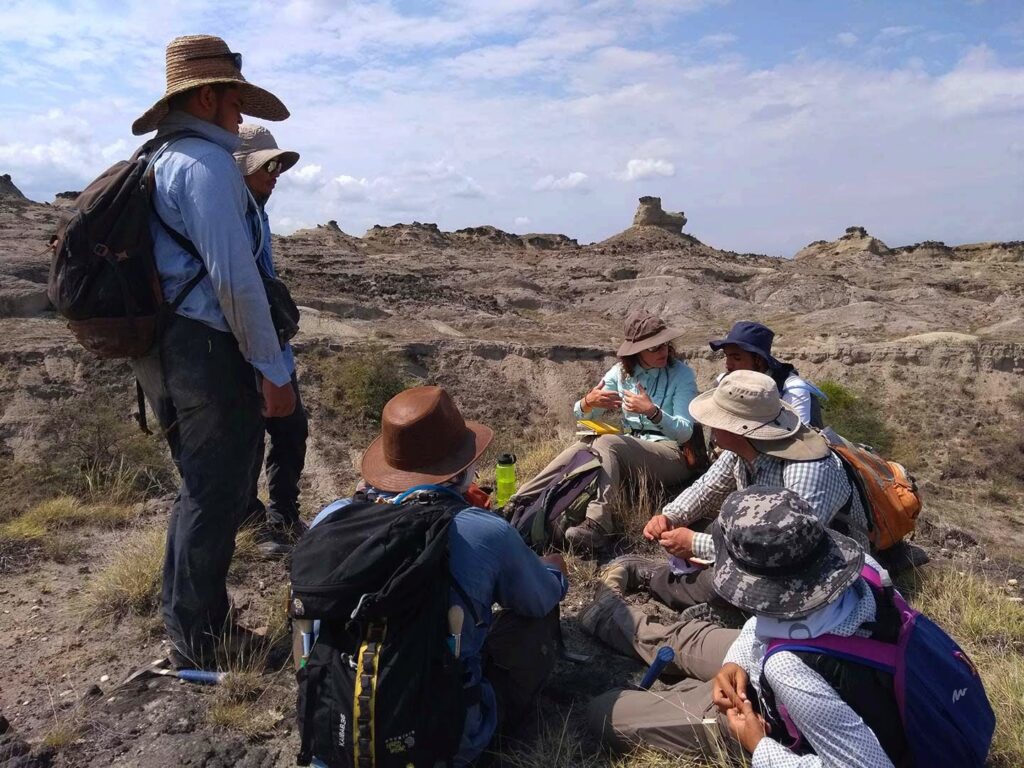
The Tatacoa desert is a nationally and globally recognized place for its fossiliferous deposit containing a great diversity of fauna such as fishes, mammals, reptiles, birds, crustaceans, amphibians and plants. Different schools, universities and institutes visit La Tatacoa daily to show their students the beautiful landscape formed by geological and meteorological processes millions of years ago. La Tatacoa Natural History Museum has field activities for all kinds of audiences where they can live the experience of a paleontologist, walking through the Tatacoa desert in search of fossil remains, participating in excavations and sieving sediment to identify microfossils. These activities are accompanied by the MHNT team, who have the knowledge and expertise to immerse visitors in a prehistoric world where they can reconstruct part of the history of Colombia through the fossils of giant animals that inhabited this region millions of years ago.
Docile or fossil
This activity consists of teaching children and adults the processes that give rise to fossils through the use of artistic materials with which they recreate the processes by which animals and plants leave their mark on the rocks. At the end participants can take home a plaster cast of an animal made from their own experience.
Paleo plasticine reconstructions (create your megalodon fossil)
This activity consists of making models of prehistoric animals with plasticine, taking into account their anatomy and their habitat. Participants will receive materials to give shape and texture to each model. At the end they will be able to take home their creation as a reminder of their experience as paleoartists.



 English
 Spanish